
Dogs and Family Life: What Kids Learn
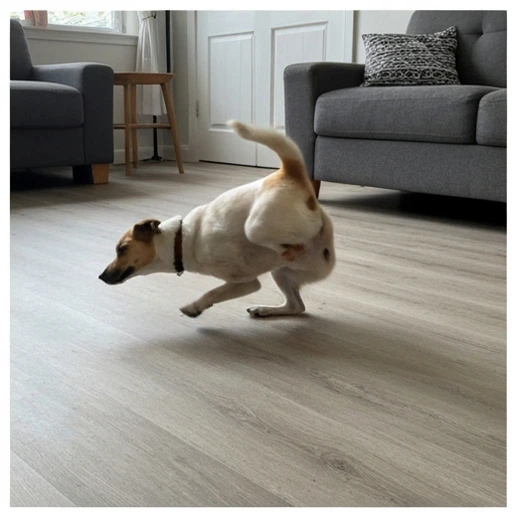
A dog changes the daily rhythm of a household. Children learn to read a body that cannot speak, and adults learn to plan around a creature that depends on them. The benefits are real, but they arrive only when the family matches the dog's needs to its own schedule and skills.
What Does a Dog Teach Children?
A dog teaches children that care is repetitive. The bowl is empty again, the walk happens in the rain, the vet visit is not optional. Researchers who study childhood development note that these small duties build what psychologists call responsibility and empathy, because the child sees the direct result of a kind act or a forgotten one.
A dog also teaches restraint. Children learn not to grab a sleeping animal, not to shout near a nervous one, and not to treat a living creature as a toy. These lessons transfer to how they treat siblings, classmates, and eventually coworkers.
Families who want to test the idea before adopting can start with a smaller commitment. The Open Gate lists concrete gestures for dogs waiting in shelters, sorted by the time and money each one actually costs, so a household can pick the step that fits its week rather than guessing.
How Do You Choose a Dog for a Family With Children?
The breed matters less than the individual dog and the household's daily reality. A family that leaves the house at seven in the morning and returns at six in the evening should not choose a working breed that needs two hours of activity. A family with a small apartment should think carefully about a large dog that barks at hallway noise.
Age is a practical filter. Puppies demand constant supervision, house training, and patience with chewing. Adult dogs often arrive with known habits, which makes planning easier. Senior dogs usually need less exercise and adapt well to calm homes, though they may need medication and more frequent vet checks.
Temperament testing helps. Shelters and rescue groups often observe how a dog reacts to handling, food, other animals, and sudden sounds. Ask for those notes. A dog described as tolerant of handling and relaxed around children is a better fit than a dog chosen for its appearance.
What Changes in the Household Routine?
A dog adds fixed points to the day. Feeding happens at set times. Walks happen before work and after dinner. Someone must be home for the midday break, or the family pays a walker.
Money is part of the routine. Food, insurance, vaccines, parasite prevention, and emergency care add up every month. Families that write these numbers down before adoption avoid the most common reason dogs are surrendered: an unexpected cost that the household cannot absorb.
Space changes too. A crate, a bed, and a place to eat take up floor area. Children need a rule about the dog's resting zone, which protects both the animal and the child.
Can a Family Help Shelter Dogs Without Adopting?
Yes, and the options are broader than most people assume. A family can share a shelter post online, drive a dog to a vet appointment, walk a kennel dog on a Saturday, or foster for a set period. Each of these tasks has a different cost in time, money, and skill, and each one removes some burden from a shelter that is short on hands.
Fostering is the largest step short of adoption. It gives a dog a home environment, which shelters use to learn how the animal behaves around furniture, stairs, and daily noise. Families with children often make strong foster homes because the household is busy and ordinary, which is exactly the setting a shelter cannot replicate in a kennel.
Short gestures matter as well. A single afternoon of walking, bathing, or transporting a dog frees staff for medical work and adoption interviews. These tasks are not symbolic. They are the labor that keeps a shelter running.
How Do Children and Dogs Share a Home Safely?
Supervision is the first rule. An adult should be present whenever a young child and a dog are in the same room, even when the dog seems calm. Most bites happen in familiar homes, not in parks, and they usually involve a child who missed a warning signal.
Teach children the basic signals. A dog that turns its head away, licks its lips, yawns, or stiffens is asking for space. A dog that growls is communicating, not misbehaving, and punishing a growl removes the warning without removing the discomfort.
Give the dog an escape route. A crate, a gated room, or a bed in a quiet corner lets the animal leave a noisy situation. Children learn that the dog's space is not a play area, and the household avoids the conflicts that come from cornering an animal.
What About the Cost of a Dog Over Time?
A dog is a long commitment. Depending on breed and size, a dog may live ten to fifteen years, which means the animal will still be in the house when a child leaves for university. Families should plan for that shift, including who takes the dog if circumstances change.
Insurance and savings both help. A dedicated fund for veterinary emergencies prevents a family from choosing between debt and the animal's health. Regular preventive care costs less than treating an advanced illness.
Time is the other currency. A dog left alone for ten hours a day will develop behavior problems that cost the family more time later. Matching the dog's needs to the household's real schedule is the single most useful decision a family can make.
Where Can a Family Start This Week?
Start with an honest inventory. Write down the hours the household is actually home, the monthly budget for animal care, and the skills each member has. Then choose one action that fits those numbers.
A family with ten spare minutes can share a shelter dog's profile with people who are looking. A family with a free afternoon can walk or bathe a kennel dog. A family with a month can foster. The size of the gesture matters less than the fact that it happens, because shelters run on predictable help rather than good intentions.
Children who watch their parents act on a commitment learn something a lecture cannot teach. They see that a family can make room for a creature that has none, and that the room does not have to be permanent to be real.